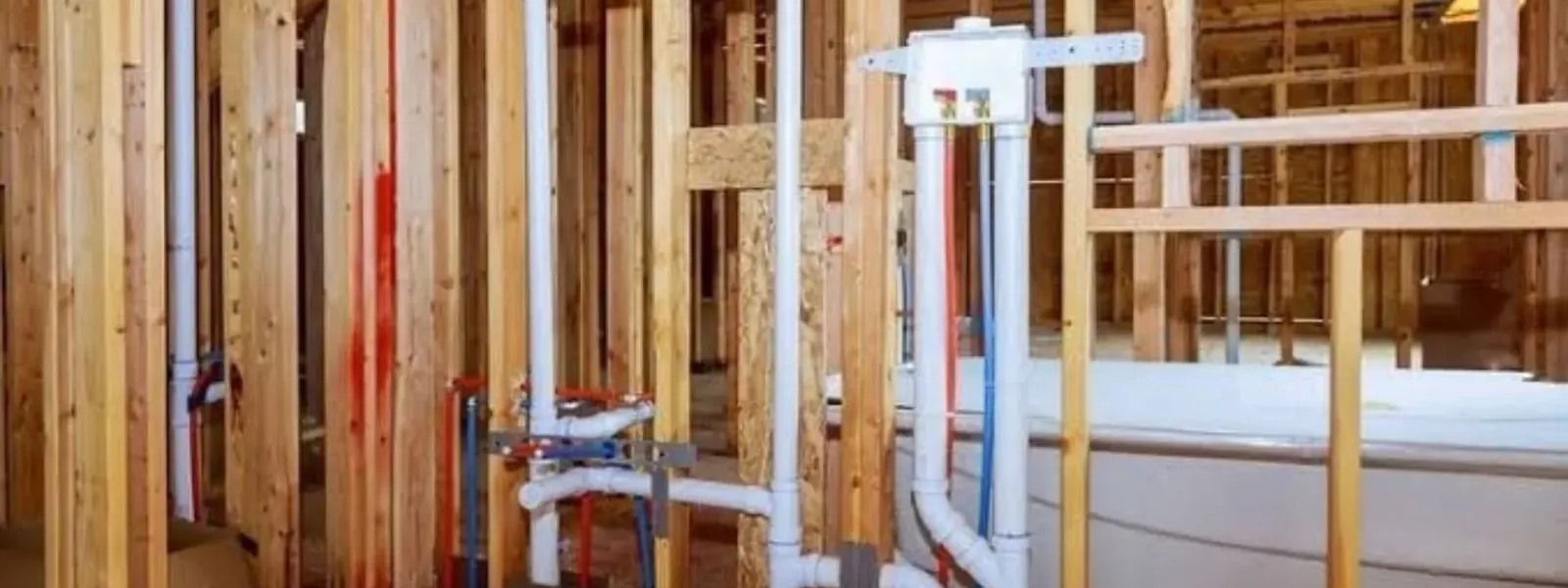
Installations We Take On
These are the most common planned jobs. Each begins with a short conversation about what you have and what you want.
Bathroom plumbing
New sinks, toilets, showers, tubs and the supply and drain lines behind them.
Kitchen and laundry
Sink, dishwasher and disposal hookups, washer boxes and drains.
Outdoor faucets
Hose bibs and yard lines, set up with shutoffs so they can be isolated.
Water heater hookups
Connections, valves and discharge piping for a new heater, tied to the install page.
Gas lines
Appliance connections and line work by a licensed plumber, with a safety check after.
Backflow devices
Installation and testing of protection that keeps water from reversing into the supply.
If You Smell Gas, Stop Reading
Leave the building at once. Do not flip switches, use a lighter or start a car in an attached garage. Call 911 and the gas utility from outside.
Once the gas company has declared the area safe, a licensed plumber can look at the appliance connection or line. Gas work is never a do-it-yourself job.
How a Planned Install Works
Clear steps keep the budget and the schedule predictable.
- 1
Describe the job
Tell the dispatcher what you are adding or replacing, where it goes and whether walls are open or closed.
- 2
Site look and layout
The plumber checks supply, drain and vent paths, and spots any limits such as a slab or tight framing.
- 3
Scope and clear price
You get the price before work starts, along with materials, permits and finish work not included.
- 4
Permit and scheduling
Permit rules vary, so the plumber helps you ask the Bell building department what applies.
- 5
Install, test, review
Lines are pressure tested, fixtures run and the finished work is walked through with you.
Fixture Choices That Change the Plumbing
A fixture swap is not always a swap. Some choices need new lines, vents or access.
| Project | What it may need | Ask before you buy |
|---|---|---|
| Replacing a toilet | New supply valve, wax ring or flange work | Is the rough-in distance the same |
| Moving a sink | New drain, vent and supply runs | Can the wall and floor take the new line |
| Adding a shower or tub | Valve, drain, waterproof backing | Is the drain size and slope workable |
| Outdoor faucet | Branch line and shutoff | Where will the shutoff valve be |
Bring model numbers or spec sheets to the visit when you have them.
Have a Remodel on the Calendar?
Call (855) 575-2890 and ask for a same-day appointment if one is available.
Backflow Prevention and Testing
A backflow device keeps water from moving backward into the supply. Irrigation systems, fire lines and some commercial equipment commonly need one, and the device is tested on a schedule set by the local water provider.
Requirements vary by property, so ask your water company or the Bell building department whether yours is required and how often it is tested. A licensed plumber can install the device and perform the test when one is due.
Older Buildings and What They Mean for New Work
Census figures show about 67.6% of Bell housing units were built before 1960. In a house or small building from that era, the plumber should check what is already in the wall before adding to it, because new fixtures tied into very worn lines can inherit the problems.
If that review shows tired pipe, ask about repiping options while the area is open. For the permit step, the Building and Safety Division at City Hall, 6330 Pine Ave, enforces the city plumbing code.
Source type: Census ACS and City of Bell
What Decides the Price of an Installation
Two installs of the same fixture can price very differently. These are the factors.
Planned installations are typically not covered by homeowner insurance. Coverage applies to sudden accidental damage, not upgrades or worn parts. Read your policy or ask the insurer. Renters should check with the landlord first, since changes to the plumbing usually need the owner's approval.
Call (855) 575-2890 to get the price for your layout.
Call (855) 575-2890New Construction and Additions
For a new unit, an accessory dwelling or an addition, the plumbing plan comes before framing is closed. The plumber needs the fixture list, the locations and the connection points to the existing house.
Bring plans if you have them. If the project also involves water heating, see our notes on water heater installation, and if drains in the older part of the home are slow, drain cleaning is worth doing before you tie in.
Plumbing Installation questions
Permit rules vary, so ask the Bell building department. Building and Safety is at City Hall, 6330 Pine Ave, and the city has an online permit portal. The plumber can explain what the job includes. New fixtures and piping fall under the California Plumbing Code, which is adopted statewide and based on the UPC.
Often yes. The plumber checks drain size and slope, supply lines and the framing first. Older construction sometimes calls for extra work behind the wall.
Leave the building and call 911 and the gas utility from outside. Do not use switches or flames. Do not go back in until you are told it is safe.
Not without the landlord's written approval. Plumbing changes affect the building, so the owner or manager must agree first. Ask them to contact us if they want a quote.
Ask your water company or the Bell building department. Irrigation and some commercial setups often require it. A licensed plumber can perform the test.
Use the License Check tool at cslb.ca.gov or call 1-800-321-CSLB (2752). Confirm the license is active and lists a plumbing classification.